

When to Order Printed Calendars: An Australian Planning Timeline
Getting printed calendars to customers before the new year takes more than allowing time for printing. Artwork needs approval before production can begin, and the finished calendars need to arrive early enough for your team to distribute them.
If you want recipients to use their calendars from 1 January, work backwards from when they need to receive them. This guide explains how to plan calendar printing in Australia, including what to prepare before ordering and how to account for delivery and the Christmas break.
When Should You Order Printed Calendars?
For calendars in use from 1 January, approve your final artwork and pay the deposit by mid-September. Forest Print’s lead time for bulk calendar printing is generally 60 days from artwork approval (around 30 days of production, then around 30 days of sea freight to Australia). Calendars approved by mid-September should reach you by mid-to-late November. Your team then has late November to early December to pack and send them out before the Christmas posting cut-offs.
Before production, allow time for design, internal approvals and proof checks, plus 7–15 business days if you want a physical sample. The 50% deposit needs to clear before production starts. After delivery, leave room to pack and distribute the calendars before recipients close for Christmas.
Explore Forest Print’s calendar printing services for your business calendar project. Share your quantity, printing requirements and delivery locations with the team so they can confirm a schedule that works towards your required delivery date.

How to Plan Your Calendar Printing Timeline by Working Backwards
Begin with the date you want customers to receive their calendars. From there, work backwards through distribution, delivery and production, then allow time to prepare and approve the artwork. This approach also works for calendars needed at the start of a school term or for a particular event.
In Market by 1 January
This is the fixed point, and every duration below is counted back from it. Calendars handed out in the first week of January still get close to a full year of use. One that arrives in February has already missed a month.

Distribution
Once the calendars arrive, your team may still need to sort, pack and send them to customers. A letterbox campaign will have its own distribution schedule, while calendars handed to clients need to be ready before those meetings or visits. Allow for this work when deciding when your printed order needs to arrive.
Freight
Forest Print allows approximately 30 days for sea freight delivery to Australia after production. Share your delivery addresses early so the team can confirm the arrangements for your order, including regional destinations or delivery to several locations.

Production
Bulk calendar printing typically takes around 30 days for production. Your quantity, paper choice and finishing requirements may affect the schedule, so discuss these with the team while planning your order. Have your artwork approved and deposit arranged in time for the agreed production start.

Deposit
A 50% deposit releases the job into production, with the balance due before final delivery. That makes payment part of the timeline rather than paperwork that follows it. Where invoices go through a finance team or a monthly payment run, ask how long that takes and count it in. Production can’t begin until the deposit clears, even once artwork is approved.

Proof Approval
Forest Print can send a free digital proof within 24 hours. If you’d like to see and feel the calendar before the full run, you can also order a physical sample, which takes 7–15 business days and is quoted separately. Those times cover the proof and sample themselves, so give your team a little extra time to look them over and make any changes. If you’re getting a sample, order it soon after sign-off so it arrives with time to review before production starts.

Artwork Sign-Off
A proof is only as good as the artwork behind it, and sign-off is the stage that slips most often because it usually involves more than one person. Before the file goes to print, confirm:
- logos and brand assets
- images and any licensing attached to them
- contact details, addresses and URLs
- public holidays and observances shown on the date grid
- bleed, resolution and colour space

Briefing and Design
Start by choosing the calendar format and quantity, then gather the images and information your designer needs. Agree when the artwork will be ready and leave room for feedback before sending it to the printer.

Australian Timing Factors That Catch People Out
Holiday closures and delivery arrangements can affect when calendars reach your team and your customers. Check these alongside the printing schedule so there is time to distribute the finished order.
Suggested Calendar Ordering Schedule
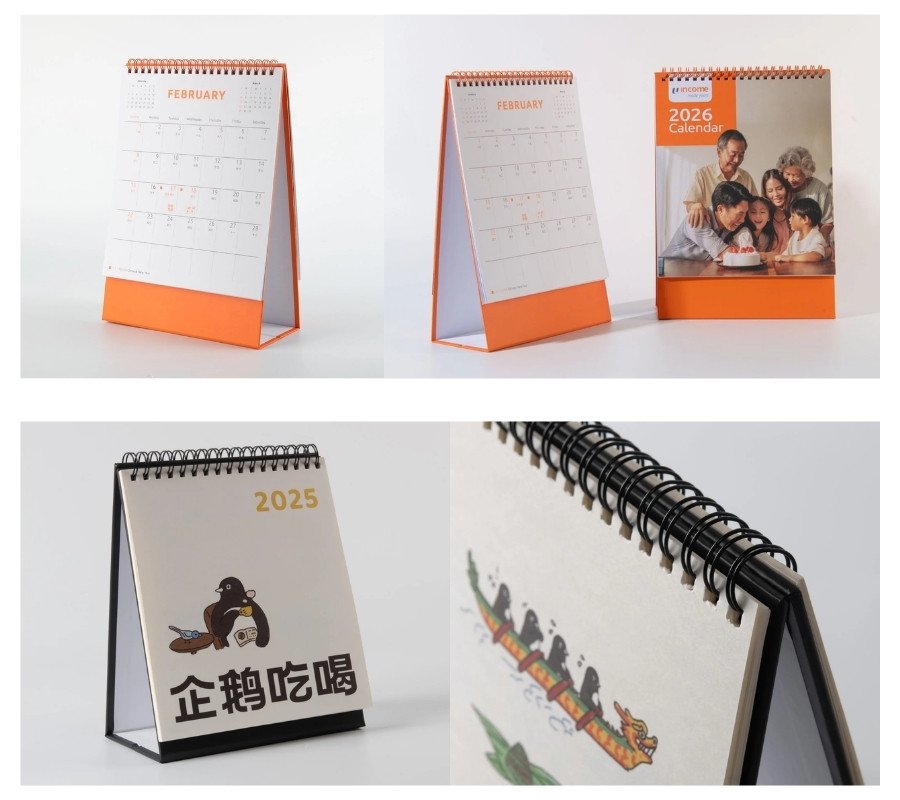
This example has calendars in hand by late November, with 2–3 weeks after that to pack and distribute them before the Christmas posting cut-offs.
- July to August: Brief the project, gather the content and develop the design. Allow 3–6 weeks as a guide, and agree preparation dates with your designer and internal reviewers.
- Late August: Complete internal artwork sign-off. Allow 1–2 weeks for internal approvals.
- By mid-September: Approve the proof and pay the 50% deposit. Digital proofs come back within 24 hours. A physical sample takes 7–15 business days, so if you’d like one, request it straight after sign-off.
- Mid-September to mid-October: Production (around 30 days).
- Mid-October to mid-to-late November: Sea freight to Australia (around 30 days).
- Mid-to-late November: Calendars arrive.
- Late November to early December: Allow 2–3 weeks to pack and distribute. Post everything before Australia Post’s Christmas cut-offs, and earlier for recipients who close before Christmas.
This is an indicative planning example. Forest Print should confirm the schedule for your specifications and delivery locations. If these milestones have already passed, see the section below on running late.
How Calendar Printing Timelines Shift by Industry
Different businesses distribute calendars in different ways. A letterbox campaign needs to fit a delivery schedule, while client gifts may need to arrive before offices close for Christmas. Your approval process and printing specifications also need to fit that plan.
Real Estate and Property Management
Magnet calendars distributed by letterbox drop need to fit the distributor’s schedule. Confirm when the calendars must be ready for collection or delivery, and check contact details carefully before approving the artwork. Forest Print also offers fridge magnets for household marketing campaigns.
Trades and Home Services
If calendars are bundled with flyers or other promotional materials, allow time to assemble them before distribution. Agree who will prepare the bundles and when the printed items need to arrive.
Professional Services
Desk calendars given to clients may need to arrive before their offices close for Christmas. Check whether they will be posted or handed over during client visits, as this affects when the finished order needs to be ready.
Schools, Clubs and Community Groups
These calendars may be needed for a school term or fundraising event rather than 1 January. Include committee meetings and funding approvals in the schedule so the order can be authorised in time for production and delivery.
Multi-Location Retail and Franchise
Staged delivery to multiple addresses adds both freight time and coordination. Confirm the full address list early, and give regional sites the longest buffer.
Art Publishing and Custom Finishes
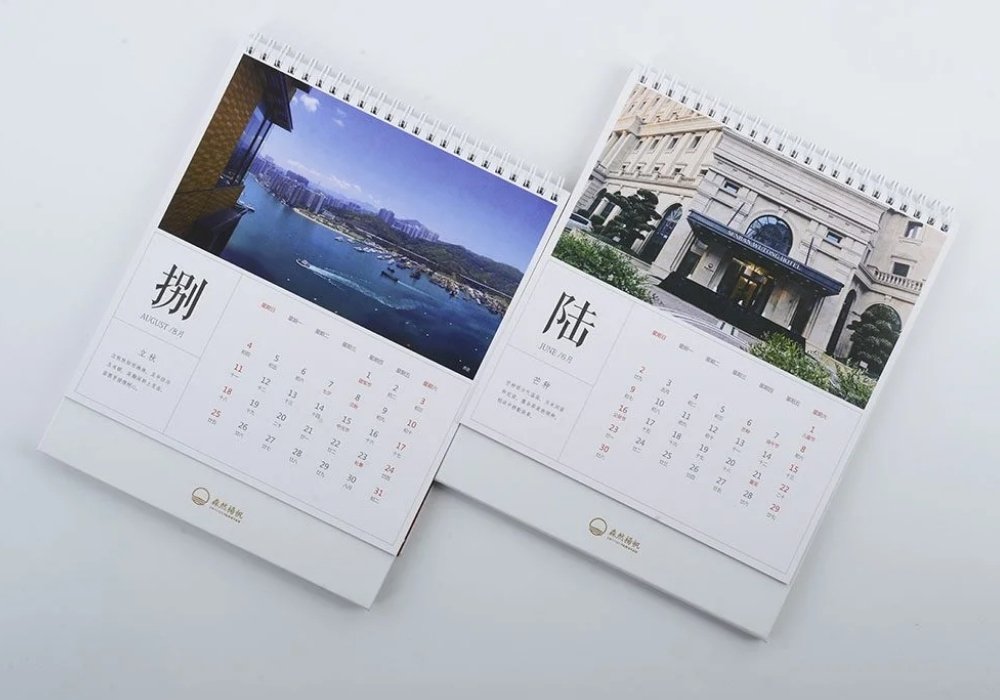
For publishers, the calendar’s paper and binding requirements also need to be considered when planning production. Forest Print’s art monthly calendar project for Zhejiang People’s Fine Arts Publishing House is one example.
The series comprises five volumes, each featuring twelve classic album-leaf artworks by a renowned Chinese artist. Following the concept “One Month, One Painting, One Artistic World”, each month is paired with a selected artwork, creating a small art exhibition to enjoy throughout the year.
The calendars involved printing on speciality paper, perforation and hand-thread binding, and could be displayed on a wall or placed on a desk for appreciation. For projects with these features, discussing the specifications early helps the printer confirm the production schedule before an artwork deadline is agreed.
What Changes With Bulk and High-Volume Orders
If you are planning bulk calendar printing, involve the printer while the artwork is still being developed. Share the quantity and preferred paper so the team can check availability and advise on the production schedule.
For orders going to several locations, provide the delivery addresses when requesting a quote. Ask whether separate or staged deliveries are available and how they would fit your distribution plan.
Take time to check the final proof before approving the full run. Corrections after printing may require a reprint and affect when the calendars can be delivered.
What to Have Ready Before You Brief a Printer
All of that rests on the first stage of the chain being solid, so it’s worth arriving at the briefing conversation with these settled:
- quantity, including spares for internal use and reprint requests
- format and finish, whether that’s a wall calendar, a desk calendar or a magnet
- artwork status: who’s designing it, when it will be ready, and whether it meets print file specifications
- delivery addresses, and whether they ship together or in stages
- distribution plan: posted, dropped, handed over or collected
- who signs off on artwork and budget, and how long they usually take
If the format isn’t settled, our comparison of desk, wall and promotional calendars covers the differences. Wall calendar printing options are set out in more detail on the product page.
If You’re Already Running Late
If you are starting later than planned, speak with Forest Print about your deadline and how much artwork is ready. The team can check whether the order is achievable within the time available.
Ask whether a simpler finish or an available paper stock would help. If the original deadline cannot be met, consider when a later delivery could still fit your plans before approving the order.
Plan Your Calendar Printing Before the Christmas Rush
Planning early gives you time to prepare the artwork and get the finished calendars to customers before the Christmas break. Discuss your requirements with the printer while the project is taking shape, so the production and delivery schedule can be agreed before you approve the order.
Forest Print offers custom calendar printing in Australia for business and creative projects. Share your ideas, order quantity and required delivery date with the team to discuss the options for your calendar.